
Key Takeaways: Miami Drywall Installation Projects
- Miami’s high humidity requires moisture-resistant drywall materials to prevent mold growth and structural damage—standard drywall options simply won’t hold up long-term.
- Professional Miami drywall installation typically costs between $1.50-$3 per square foot in Miami, with additional costs for specialty materials and complex installations.
- Proper permitting through Miami-Dade County is essential for drywall projects; skipping this step can result in significant fines and failed inspections.
- Florida Painting Company offers specialized drywall services tailored to Miami’s unique climate challenges, ensuring long-lasting results even in high-humidity environments.
- DIY drywall installation in Miami often leads to costly repairs due to the precision required for moisture protection and climate considerations.
Tackling a drywall project in Miami comes with unique challenges that many homeowners don’t anticipate until it’s too late. The combination of high humidity, specific building codes, and environmental factors make Miami drywall installation distinctly different from other regions. Florida Painting Company understands these nuances and delivers results that withstand Miami’s challenging climate conditions.
From beachfront condos to suburban family homes, every Miami property requires specialized drywall knowledge. The wrong materials or improper installation can lead to costly damage within months or even weeks. This comprehensive guide will walk you through everything Miami homeowners need to know before starting a drywall project.
Why Your Miami Home Needs Special Drywall Attention
Miami Fact: 70% of Miami drywall installation callbacks are humidity-related. Choose local pros who know Florida conditions.
Miami’s tropical climate creates perfect conditions for moisture problems if drywall isn’t properly selected and installed. Standard drywall materials that work perfectly in drier climates often fail prematurely here, leading to bubbling, warping, and mold growth. The consistent humidity combined with temperature fluctuations from air conditioning creates condensation issues within walls that must be addressed with proper materials and installation techniques.
Beyond climate concerns, Miami’s coastal location introduces salt air that can deteriorate standard drywall fasteners and compromise wall integrity. Additionally, the region’s vulnerability to severe weather events means your walls may face pressure changes and potential water intrusion that require reinforced installation methods.
Most importantly, Miami homes require drywall solutions that create an effective moisture barrier while still allowing the home to “breathe” appropriately. This balance is difficult to achieve without specialized knowledge of local conditions and appropriate materials.
Miami’s Humidity Challenges for Drywall
The persistent humidity in Miami (typically 70-80% year-round) creates an environment where standard drywall can absorb moisture from the air even without direct water contact. This leads to microscopic expansion and contraction cycles that eventually compromise seams and fastening points. Additionally, the tropical climate creates ideal conditions for mold growth within wall cavities, which can spread behind drywall before becoming visible. Proper material selection and moisture barrier integration are essential even for interior walls that never experience direct water exposure.
Local Building Code Requirements You Must Know
Miami-Dade County maintains some of Florida’s strictest building codes, with specific provisions for Miami drywall installation in residential and commercial properties. These regulations address wind resistance, fire ratings, and moisture management. For example, garage walls adjoining living spaces require specific fire-rated drywall installations, while bathrooms have moisture-resistant material requirements that exceed national standards. All Miami drywall installation work requires a permit for projects beyond minor repairs, and inspections are required at specific stages of installation.
Working with a contractor familiar with Miami-Dade’s permitting process and inspection requirements saves significant time and prevents costly corrections. The county’s online permit portal provides information on specific requirements, but navigating the system requires experience that most homeowners lack.
Typical Timeline for Professional Installation
Professional drywall installations in a Miami home follows a predictable timeline when performed by experienced contractors. For a typical 1,500 square foot home, expect approximately 1-2 days for drywall hanging, 2-3 days for mudding and taping (with drying time between coats), and 1-2 days for sanding and finishing. Miami’s humidity extends drying times compared to other regions, making rush jobs particularly problematic.
This timeline expands for projects involving specialty drywall types, textured finishes, or complex architectural details. Hurricane season installations may experience delays due to weather conditions affecting both material delivery and drying times. Professional Miami drywall installation contractors account for these factors when creating project timelines, while DIY attempts often underestimate the impact of local conditions.
Remember that permit approvals and inspections add time to any project schedule. Working with established local contractors often means faster processing thanks to their relationships with building departments and inspectors.
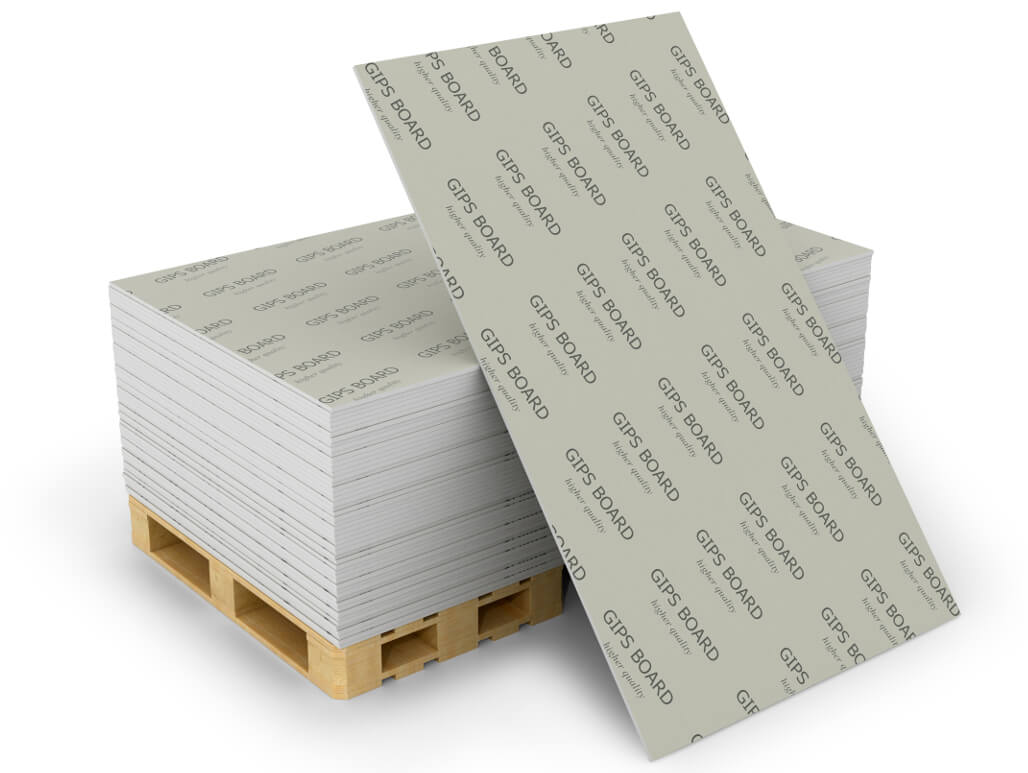
Choosing the Right Drywall for Your Miami Home
Selecting appropriate drywall for Miami conditions means understanding the options beyond standard gypsum board. Each room in your home may require different drywall specifications based on its function, exposure to moisture, and acoustic requirements. Making the right choice initially prevents costly replacements and repairs that plague many Miami renovations.
Moisture-Resistant Options for Bathrooms and Kitchens
Miami’s bathrooms and kitchens demand specially formulated drywall products that resist moisture absorption. Green board (moisture-resistant drywall) provides basic protection but isn’t suitable for shower surrounds or areas with direct water exposure. Purple board offers superior moisture and mold resistance for areas with intermittent humidity spikes. For maximum protection, cement board or fiber cement products provide exceptional moisture resistance in wet areas and serve as ideal substrates for tile installation.
Fire-Rated Drywall for Safety Compliance
Miami-Dade building codes specify fire-rated Miami drywall installation requirements for specific areas of your home, particularly walls adjoining garages, utility rooms housing water heaters or HVAC equipment, and multifamily property separations. Type X drywall contains glass fibers that improve fire resistance, maintaining structural integrity longer during fire events. Some applications require multiple layers or specialized installation techniques to achieve required fire ratings. Working with a contractor familiar with local fire code requirements ensures your installation meets safety standards and passes inspection.
Beyond code requirements, many Miami homeowners choose fire-rated drywall for additional areas to enhance overall home safety. The minimal cost difference provides significant protection, especially in older homes with updated electrical systems.
3. Hanging the Drywall Sheets
Professional Miami drywall installation begins with measuring and cutting drywall sheets to fit the specific dimensions of your walls and ceilings. In Miami homes, contractors often leave a slight gap (approximately 1/4 inch) at the floor to prevent moisture wicking from concrete slabs. Sheets are typically hung horizontally rather than vertically to minimize seams and create stronger walls, with staggered joints for additional structural integrity. This horizontal installation method is particularly important in Miami’s hurricane-prone environment.
When hanging drywall in Miami homes, professionals use moisture-resistant screws rather than standard fasteners to prevent rusting and eventual failure. Screws are placed every 12 inches along joists and studs, with particular attention to proper depth – not too shallow to create bumps, yet not too deep to compromise the paper facing. This precision prevents future bubbling and cracking that commonly occurs when humidity causes expansion and contraction cycles.
4. Taping and Mudding Techniques
Miami’s humidity demands specialized taping and mudding techniques to ensure long-lasting drywall finishes. Professional Miami drywall installation contractors typically apply a thin first coat of joint compound (mud) to all seams and screw holes, then embed paper tape into the wet compound for seams. Mesh tape, while convenient, generally doesn’t hold up as well in Miami’s climate fluctuations unless used with setting-type compounds rather than drying compounds.
- First coat (tape coat): Thin application to embed tape and fill major depressions
- Second coat (fill coat): Wider application extending 2-3 inches beyond the first coat
- Third coat (finish coat): Widest application feathered out 6-8 inches for invisible transitions
- Corner bead installation: Critical for impact resistance in high-traffic areas
- Extended drying times: 24+ hours between coats in Miami’s humidity
In Miami’s climate, quick-drying compounds often fail prematurely because they don’t fully cure before the finishing process continues. Professional drywall contractors use setting-type compounds that chemically harden rather than simply dry through evaporation, creating a more moisture-resistant joint. This distinction is crucial for lasting results in South Florida homes and represents one of the major differences between professional and DIY installations.
Corners receive special attention with reinforced corner bead installation to prevent future cracking and damage. Professionals often use vinyl corner beads in Miami homes rather than metal options, as they resist corrosion from the salt-laden air that can eventually bleed through paint on metal alternatives.
5. Sanding and Finishing for Miami’s Climate
The sanding process requires particular care in drywall installations, with professionals typically using sanding poles and screens rather than sandpaper to prevent over-sanding and paper face damage. Multiple grits are used progressively, starting with 120-grit for initial smoothing and finishing with 220-grit for a surface ready for primer. Throughout the process, careful attention prevents creating dust that can be problematic in Florida’s humid environment, where it tends to stick to surfaces and affect paint adhesion.
Final inspection after a proper Miami drywall installation in your home includes viewing walls with bright, angled lighting to identify any remaining imperfections that might become visible after painting. This step is especially important because Miami’s intense natural light can highlight even minor flaws in wall surfaces. Professional installers also confirm that all electrical boxes and fixtures are properly trimmed out and that expansion gaps around doors and windows are correctly sized for seasonal movement, which is more pronounced in Florida’s climate fluctuations.
Common Drywall Mistakes in Miami Homes
Inexperienced installers and DIY enthusiasts frequently make costly mistakes when installing drywall in Miami homes. These errors often don’t become apparent until after painting is complete or during the first significant humidity cycle, leading to expensive remediation. Understanding these common pitfalls helps homeowners evaluate contractor quality and make informed decisions about their projects.
Beyond technical installation errors, many drywall installations suffer from poor planning and material selection. Using interior-grade materials in semi-exposed areas like patios, pool enclosures, or garages leads to premature failure. Similarly, underestimating the importance of proper ventilation during and after installation contributes to moisture-related problems that could have been easily avoided with proper knowledge of local conditions.
Ignoring Moisture Barriers in High-Humidity Areas
One of the most common and costly mistakes in drywall installation is failing to install appropriate moisture barriers behind drywall in bathrooms, laundry rooms, and kitchens. Even with moisture-resistant drywall, vapor barriers prevent humidity from penetrating wall cavities where it can condense and create hidden moisture damage and mold growth. Professional installers typically apply plastic sheeting or liquid-applied membranes in these areas, particularly on exterior-facing walls where temperature differentials between indoor and outdoor environments create condensation risks.
Poor Joint Taping Techniques That Fail in Heat
Miami’s temperature fluctuations create expansion and contraction cycles that test even properly installed drywall joints. Amateur installations often use insufficient joint compound or fail to properly embed tape, creating weak points that crack under stress. These hairline cracks typically appear at wall and ceiling junctions or around windows and doors where structural movement is greatest.
Another common taping failure occurs when installers rush the process and don’t allow adequate drying time between coats. Miami’s humidity significantly extends drying times compared to other regions, sometimes requiring 24+ hours between applications. Rushing this process traps moisture within layers, leading to bubbling, delamination, and eventual joint failure that becomes visible through finished paint surfaces.
Improper Fastener Placement That Leads to Bubbling
Fastener problems are particularly common in DIY installations, with screws driven either too deep (breaking the paper facing and compromising holding power) or too shallow (creating bumps that show through finished surfaces). In Miami’s humid environment, improperly placed fasteners also create entry points for moisture that can lead to rusting screws and staining on finished surfaces. Professional installers use mechanical drywall screw guns with depth adjustments to ensure consistent, proper fastener placement throughout the installation.
Cost Breakdown for Miami Drywall Installation
Understanding the cost factors for Miami drywall installation helps homeowners budget appropriately and recognize when quotes are unreasonably low or high. While prices vary based on project specifics, general cost ranges and contributing factors remain consistent across South Florida. Quality installations typically involve higher material costs but save significantly on long-term maintenance and repairs.
*Miami prices 15-20% higher due to humidity prep & mold-resistant materials
Average Per-Square-Foot Pricing in South Florida
Miami drywall installation typically costs between $1.50-$3.00 per square foot for basic installation with standard materials, including labor and finishing to paint-ready condition. This price increases by 15-30% for projects requiring moisture-resistant or specialty drywall products. Complex installations with high ceilings, curved walls, or intricate designs may reach $4-$7 per square foot. These prices reflect the additional labor and expertise required for proper drywall installations that can withstand Miami climate challenges while meeting aesthetic expectations.
Additional Costs for Specialty Materials
Specialty drywall materials command premium prices in the Miami market, with moisture-resistant options costing 10-20% more than standard drywall. Fire-rated drywall adds approximately 15-25% to material costs, while impact-resistant products may increase material expenses by 30-50%. These premium materials often reduce long-term maintenance costs and provide important performance benefits in Miami’s challenging environment.
Beyond the drywall itself, specialty fasteners, moisture barriers, and finishing compounds designed for high-humidity environments add to overall project costs. While these materials increase initial expenses, they significantly reduce the risk of premature failures that plague many area homes with a standard Miami drywall installation. Professional contractors typically include these specialty materials in their quotes, while bargain-priced competitors often use standard materials inappropriate for local conditions.
Labor Rates for Professional Miami Drywall Installation
Professional drywall installers in Miami typically charge $45-$75 per hour depending on experience level, certification, and reputation. Miami drywall installation projects are usually quoted as complete packages rather than hourly rates, but understanding the labor component helps evaluate quote differences between contractors. Labor represents approximately 60-70% of total drywall installation costs, reflecting the skill-intensive nature of quality installation, particularly in Miami’s challenging environment where precision and climate-appropriate techniques are essential.
Design Possibilities with Modern Drywall Techniques
Beyond basic wall construction, modern drywall techniques offer Miami homeowners exciting design possibilities that weren’t feasible with traditional plaster. These architectural features add character and value to homes while creating distinctive spaces that reflect personal style. When executed by skilled professionals, these design elements transform ordinary rooms into showcase spaces.
Many modern Miami homes incorporate architectural drywall elements that enhance both aesthetics and functionality. Recessed lighting niches, built-in entertainment centers, and integrated shelving create custom features without the cost of cabinetry. These elements can be designed to withstand Miami’s humidity while adding significant visual interest and practical storage solutions that complement contemporary lifestyles. For more on drywall services, check out Florida Painting’s drywall services.
Textured Finishes Popular in Miami Homes
Textured drywall finishes have evolved significantly, offering Miami homeowners sophisticated options beyond the outdated popcorn ceilings of previous decades. Light knockdown textures provide subtle visual interest while hiding minor imperfections and reducing surface glare, making them particularly popular in Miami’s bright natural light environments. These textures also perform well in humidity, showing less visible imperfections when minor settling or shifting occurs.
Hand-applied specialty textures create distinctive walls that serve as design focal points in Miami homes. Techniques like Venetian plaster, Spanish lace, or Santa Fe textures add dimension and character to rooms without requiring additional decorative elements. These specialized finishes require significant skill to execute properly, particularly in humidity-prone environments where application timing and material selection greatly impact durability.
For contemporary Miami homes, smooth-finished drywall remains a popular choice, creating clean lines that complement modern design aesthetics. Achieving flawlessly smooth walls requires exceptional skill in humid environments, as even minor imperfections become visible under Miami’s bright lighting conditions. Professional installers typically apply additional thin coats of finishing compound and perform extensive fine sanding to achieve the perfect smooth finish that showcases modern paint colors.
Curved Walls and Architectural Details
Curved walls and arched doorways create distinctive architectural elements in Miami homes, softening transitions between spaces and adding visual interest. These features require specialized techniques using flexible drywall products or multiple layers of standard drywall that can be bent to form smooth curves. Professional installers construct proper framing templates to ensure consistent curves and arches, then use specialized fastening techniques to prevent cracking as the materials dry and settle in Miami’s humid conditions.
Accent Walls and Feature Installations
Dramatic accent walls using multi-level drywall installations create architectural focus points in contemporary Miami homes. These installations often incorporate LED lighting channels, recessed niches for artwork display, or geometric patterns that add dimension without requiring additional decorative elements. Skilled installers ensure these complex installations include proper reinforcement and moisture protection, particularly important in South Florida where humidity can compromise complex drywall structures if improperly constructed.
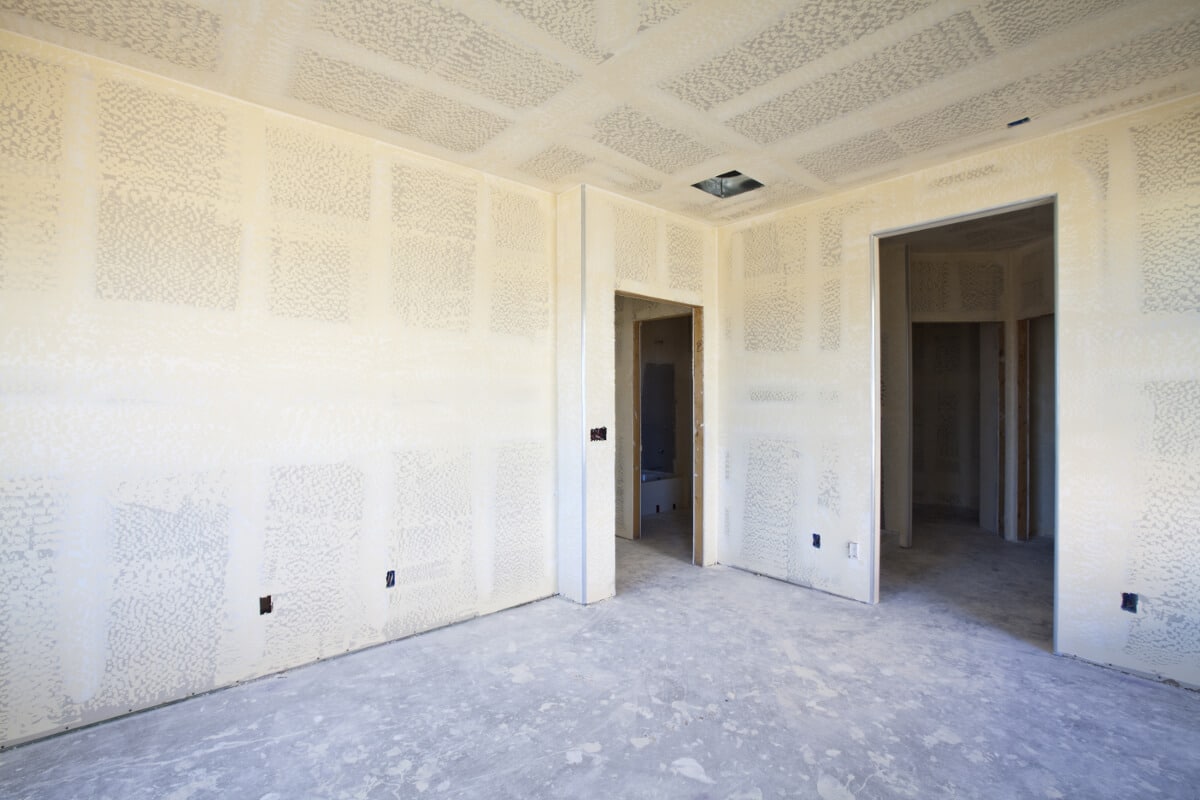
How to Prepare Your Miami Home for Drywall Installation
Proper preparation before Miami drywall installation begins saves time, reduces costs, and ensures superior results. Miami homes require specific preparation steps that address local environmental conditions and building practices. Taking these steps before your contractor arrives streamlines the installation process and helps prevent future problems.
Creating a Dust Management Plan
Miami Drywall installation and finishing creates significant dust that can damage furniture, electronics, and HVAC systems. In Miami homes, this dust combines with humidity to create a stubborn residue that’s difficult to remove from surfaces. Professional contractors typically use dust containment systems with plastic barriers and negative air pressure to isolate work areas. Homeowners should remove valuable items, seal off adjacent rooms, and cover immovable furniture with plastic sheeting. Additionally, changing HVAC filters after project completion prevents circulating dust throughout the home.
Protecting Furniture and Valuables
Before your Miami drywall installation begins, remove all valuable items from the work area and adjacent spaces. Items that cannot be removed should be consolidated in the center of rooms and covered completely with plastic sheeting secured with tape. In Miami’s climate, dust particles combine with humidity to create a stubborn film that can damage electronics, upholstery, and wood finishes. Pay particular attention to electronic equipment, covering them completely or relocating them to sealed rooms. For extensive projects, consider temporary off-site storage for valuable items, especially during hurricane season when unexpected weather events could compromise dust containment systems.
Climate Control During Installation
Maintaining consistent temperature and humidity levels during your Miami drywall installation significantly impacts finished quality in Miami homes. Professional installers typically request that air conditioning remain operational throughout the project, keeping indoor humidity below 60% for optimal drywall curing. This controlled environment prevents premature drying or excessive moisture absorption that can compromise joint compound curing and cause subsequent cracking or bubbling.
If your installation project involves new construction without operational HVAC systems, temporary dehumidifiers may be necessary, particularly during summer months or rainy seasons. Fans should be used strategically to circulate air without directly blowing on freshly finished surfaces. This climate management continues through the painting process, as proper drywall curing creates the foundation for long-lasting paint adhesion—critical in Miami’s challenging environment.
Maintaining Your Drywall in Miami’s Climate
Once professionally installed, your Miami drywall installation will require specific maintenance practices to ensure longevity in the region’s challenging climate. Proactive inspection and maintenance prevent minor issues from escalating into costly repairs. Understanding how Miami’s environment affects drywall helps homeowners identify potential problems before they cause significant damage.
Regular inspection becomes particularly important after severe weather events, when pressure changes and potential water intrusion can stress drywall installations. Even minor hurricanes can create sufficient pressure differences to stress drywall fasteners and seams without visible water entry. Professional inspection after significant storms can identify hidden damage before it manifests as visible problems months later.
- Inspect ceilings and walls seasonally for discoloration or bubbling
- Check areas around windows and exterior doors quarterly for moisture issues
- Maintain caulking around bathtubs, showers, and sinks to prevent water intrusion
- Verify proper operation of bathroom exhaust fans and kitchen ventilation systems
- Monitor indoor humidity levels, keeping them below 60% whenever possible
Interior paint quality significantly impacts drywall performance in Miami homes. Quality paints with moisture-resistant properties create an additional barrier against humidity, while budget options may allow moisture penetration that compromises drywall integrity. Professional painters familiar with Miami conditions typically recommend specific paint formulations based on each room’s exposure and function.
Humidity Control Strategies
Effective humidity management represents the most important factor in maintaining drywall integrity in Miami homes. Air conditioning systems should be properly maintained with clean filters and functional condensate drainage systems to ensure efficient moisture removal. Programmable thermostats help prevent humidity spikes during unoccupied periods by maintaining consistent indoor conditions rather than allowing significant temperature fluctuations that create condensation cycles.
For optimal Miami drywall installation preservation, homeowners should maintain indoor humidity between 40-60%, installing supplemental dehumidification if needed. Standalone dehumidifiers benefit spaces like finished basements, enclosed patios, or rooms with limited HVAC circulation. Humidity monitoring systems provide early warning of conditions that might damage drywall, allowing corrective measures before visible damage occurs. Many Miami homeowners find smart home systems that track humidity particularly useful for monitoring conditions when properties are unoccupied during summer months.
Early Signs of Moisture Damage to Watch For
Identifying drywall moisture issues early prevents costly repairs and potential health hazards from mold growth. The most common early indicators include paint bubbling or peeling, particularly around windows, exterior doors, or bathroom fixtures. Discoloration ranging from yellow to brown often indicates water intrusion, even when surfaces appear dry to the touch. Subtle warping or waviness in otherwise flat surfaces suggests moisture absorption that will worsen without intervention.
Musty odors often precede visible mold growth, particularly in closets, behind furniture, or near air conditioning vents where condensation may form. If you detect unusual odors or see tiny black specks developing on drywall surfaces, immediate professional assessment prevents more extensive contamination. In Miami’s climate, mold can develop and spread rapidly once established, potentially requiring complete drywall replacement in affected areas if not addressed promptly.
Touch-Up Techniques for Minor Damage
Minor drywall damage can be effectively repaired before it escalates into larger issues requiring professional intervention. Small nail holes or dents can be filled with lightweight spackling compound, allowed to dry completely (which takes longer in Miami’s humidity), then lightly sanded and touched up with matching paint. For slightly larger holes up to 2 inches, self-adhesive mesh patches provide structural support for patching compound, creating repairs that resist future cracking.
Hairline cracks, common in Miami homes due to slight structural settling, can be effectively repaired using elastomeric caulk designed to flex with minor movement. These specialized products, available at local home improvement stores, create repairs that withstand Miami’s expansion and contraction cycles better than standard patching compounds. For textured surfaces, matching aerosol texture products help blend repairs with surrounding finishes before painting.
Finding and Hiring a Reliable Miami Drywall Installation Contractor
Selecting the right contractor dramatically impacts both the initial quality and long-term performance of your drywall installation. Miami’s unique climate challenges require specialized knowledge beyond basic drywall skills. The right professional partnership ensures your project meets local building codes while delivering aesthetic and performance expectations.
Before contacting contractors, define your project scope, timeline expectations, and budget parameters. Gathering reference photos of desired finishes helps communicate your vision clearly. During initial consultations, quality Miami drywall installation contractors ask detailed questions about your home’s age, existing conditions, and specific requirements rather than providing immediate estimates. This thorough approach indicates the attention to detail that superior drywall installation requires.
Qualifications to Look For
Reputable Miami drywall installation contractors maintain appropriate licensing through Miami-Dade County and carry comprehensive insurance coverage including general liability and workers’ compensation. Ask for license numbers and verify their status through the county’s contractor verification system. Experience specifically in South Florida installations matters significantly, as techniques that work perfectly in other regions often fail in Miami’s unique climate. Look for contractors with at least 5-10 years of local experience and specific training in moisture-resistant Miami drywall installation techniques appropriate for tropical environments.
Questions to Ask Before Hiring
Quality contractors welcome detailed questions and provide thorough, transparent answers. Ask about specific materials they recommend for your project and why those choices suit Miami’s climate. Request information about their moisture management approach during and after installation. Discuss their quality control process, including how they ensure proper drying between coats despite humidity challenges. Inquire about their experience with local building departments and their process for obtaining permits and scheduling inspections. Finally, request detailed written estimates specifying all materials, labor components, timeline expectations, payment schedules, and warranty terms for your Miami drywall installation.
Red Flags to Avoid When Selecting a Contractor
Be wary of Miami drywall installation contractors offering significantly lower prices than competitors for installation, as this often indicates corners being cut on materials or labor quality that prove costly long-term. Avoid professionals who seem reluctant to obtain proper permits or suggest that inspections are unnecessary formalities. Be cautious of contractors who demand large upfront payments before work begins or who cannot provide references for similar projects completed in Miami’s climate. Finally, contractors who cannot clearly explain how their installation techniques address Miami’s specific humidity challenges likely lack the specialized knowledge required for successful long-term results. If you need professional assistance with your drywall installation anywhere in and around the Miami-Dade or Southeast Florida area, give us a call!
FREQUENTLY ASKED QUESTIONS (FAQs)
Miami homeowners consistently raise specific questions about Miami drywall installation that reflect local concerns and conditions. These frequently asked questions address the most common uncertainties and provide practical guidance for those considering drywall projects in South Florida’s unique environment. Understanding these key considerations helps homeowners make informed decisions when planning their projects.
- What is the average cost difference between standard and moisture-resistant drywall in Miami?
- How long should I wait after Miami drywall installation before painting in this hot climate?
- Can existing drywall be retrofitted with moisture protection, or does it require replacement?
- Are there specific brands of drywall that perform better in South Florida’s climate?
- How do hurricane building codes affect drywall installation requirements in Miami?
Beyond these common questions, many homeowners wonder about sustainability options and eco-friendly materials that perform well in Miami’s environment. Several manufacturers now offer mold-resistant drywall products made with recycled content and low-VOC compounds that maintain excellent performance in high-humidity environments while supporting environmental goals and improving indoor air quality, and making your Miami drywall installation a grand success.
How long does drywall installation typically take in a Miami home?
For a standard 1,500 square foot Miami home, professional drywall installation typically requires 7-10 business days from start to finish, including drying time between coats of joint compound. This timeline accounts for Miami's extended drying requirements due to high humidity. Larger homes, complex architectural features, or specialty finishes may extend this timeline accordingly. Professional contractors build appropriate drying time into their schedules rather than rushing the process, as proper curing between stages prevents costly failures common in Miami's climate. During hurricane season or periods of extreme weather, additional days may be needed as humidity levels can extend drying times beyond normal expectations. For more information on drywall services in Miami, visit this resource.
Can I install drywall myself in Miami if I'm on a tight budget?
While DIY drywall installation is possible, Miami's climate makes it particularly challenging for inexperienced installers. Humidity-related issues that professionals prevent through specialized techniques often lead to premature failures in DIY installations, ultimately costing more through repairs and replacements. If budget constraints necessitate DIY approaches, consider hiring professionals for moisture-critical areas like bathrooms and kitchens while handling simpler spaces yourself.
If you proceed with DIY installation, invest in quality moisture-resistant materials and take time to research Miami-specific techniques. Local building supply stores often offer workshops addressing regional installation challenges, and many online resources provide guidance for high-humidity environments. Recognize that proper tool rental or purchase represents a significant upfront cost for one-time projects, potentially offsetting some savings compared to professional installation.
What type of drywall should I use in my Miami bathroom renovation?
For Miami bathroom renovations, moisture-resistant drywall is essential, but the specific type depends on proximity to water sources. Areas directly exposed to water splashes require cement board or fiber cement products, particularly as backing for tile installations around tubs and showers. For bathroom ceilings and walls not directly exposed to water but subject to high humidity, mold-resistant "purple board" drywall offers superior performance compared to standard "green board," with enhanced antimicrobial properties specifically beneficial in Miami's climate.
Beyond material selection, proper installation techniques matter significantly in bathroom applications. Professional installers typically apply waterproofing membranes behind cement board in wet areas and ensure appropriate sealing around fixtures and edges. These moisture management details, often overlooked in DIY installations, dramatically impact the longevity of bathroom drywall in Miami's challenging environment and prevent costly mold remediation that commonly results from improper installations.
Do I need permits for replacing damaged drywall in Miami-Dade County?
Permit requirements for drywall replacement in Miami-Dade County depend on the project's scope and nature. Minor repairs under 100 square feet typically don't require permits when replacing like-for-like materials. However, more extensive replacements, particularly those involving water damage remediation or structural repairs, generally require proper permitting and inspections. Any drywall replacement involving electrical, plumbing, or HVAC modifications absolutely requires permits regardless of size. Additionally, condominium associations often have specific approval requirements beyond county regulations.
Working with a licensed contractor familiar with Miami-Dade's permitting process simplifies compliance and ensures all work meets current building codes. Skipping required permits can create significant problems when selling your property, as unpermitted work may require retroactive permitting, inspections, or even removal and replacement to satisfy code requirements. Most reputable insurance companies also require proof of proper permitting for claims involving drywall damage and replacement.
How does Florida Painting Company handle drywall issues specific to Miami homes?
Florida Painting Company specializes in climate-appropriate drywall solutions for Miami homes, implementing specialized techniques developed through years of local experience for moisture and hurricanes. Their installers receive specific training in management and resistant methods exceeding standards; bathrooms/kitchens get enhanced waterproofing integrated with drywall.
Pre-install assessments identify moisture sources to prevent recurring issues common in Miami. They maintain Miami-Dade ties for streamlined permitting/inspections meeting South Florida codes.
For Miami homeowners, Florida Painting Company delivers aesthetic/practical balance—contact today for consultation on durable results.